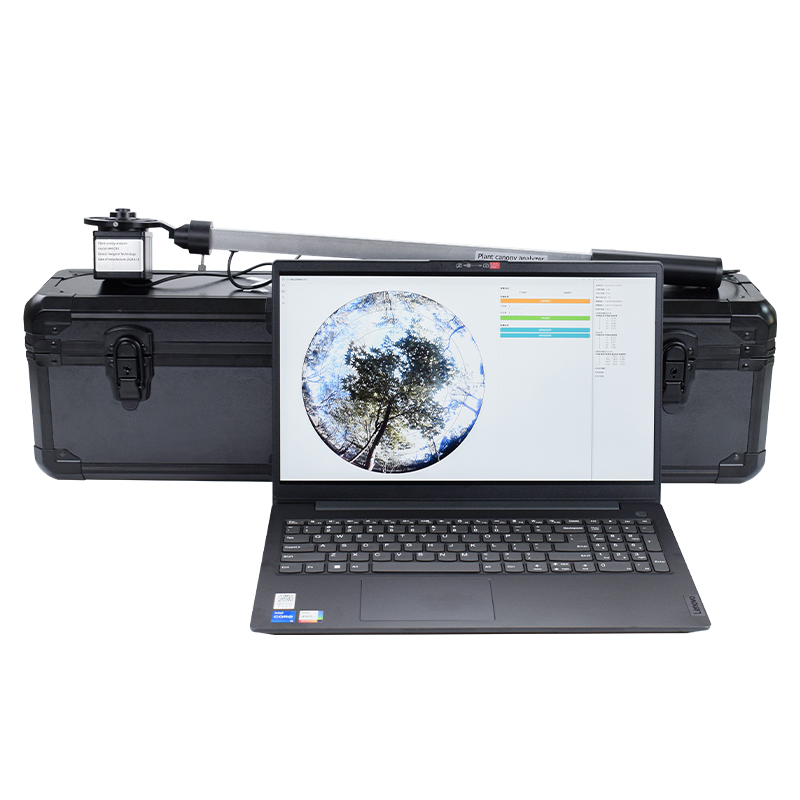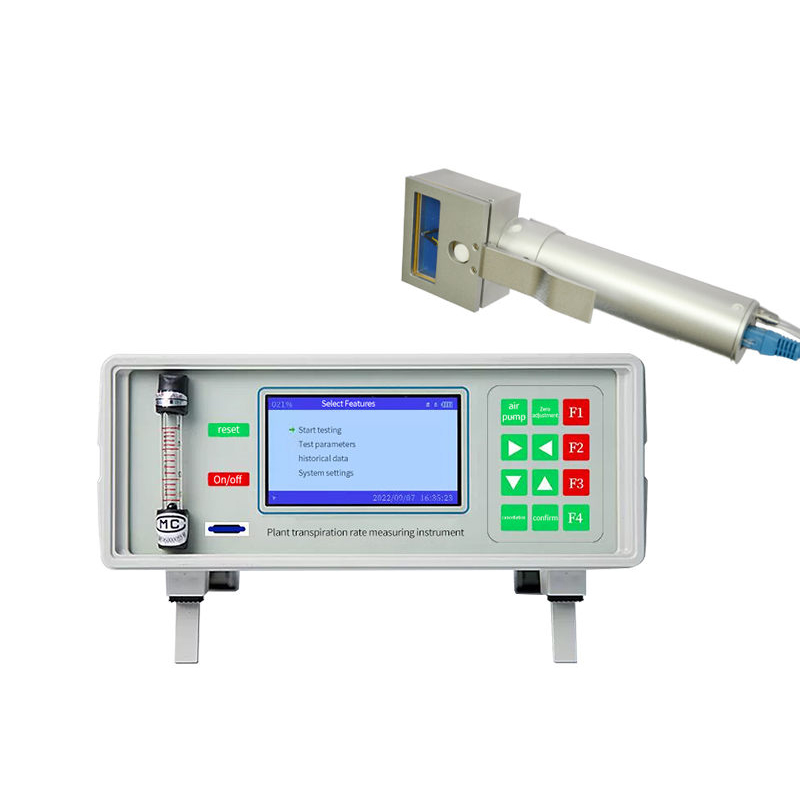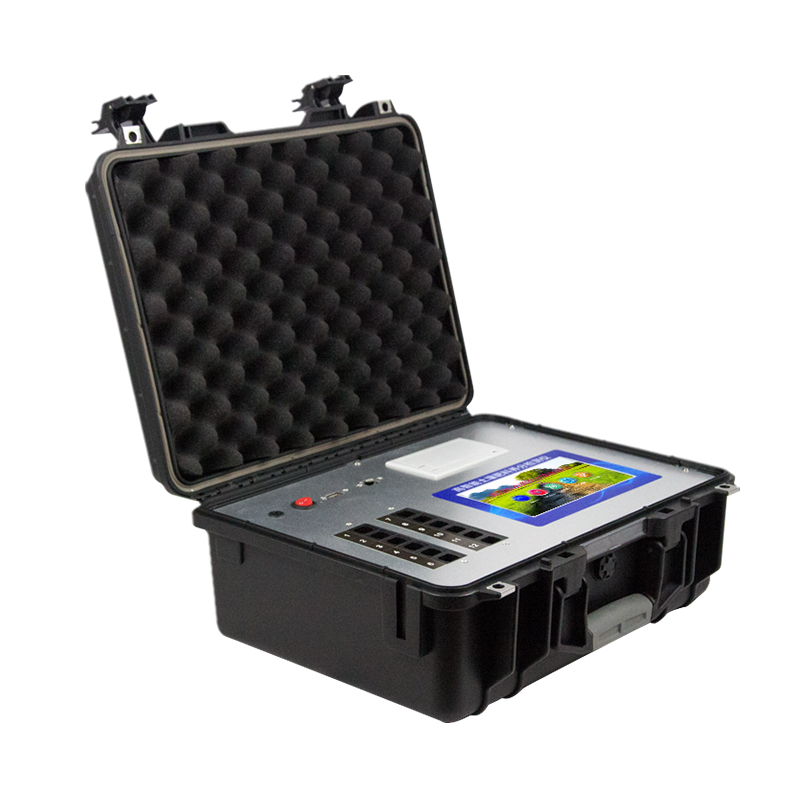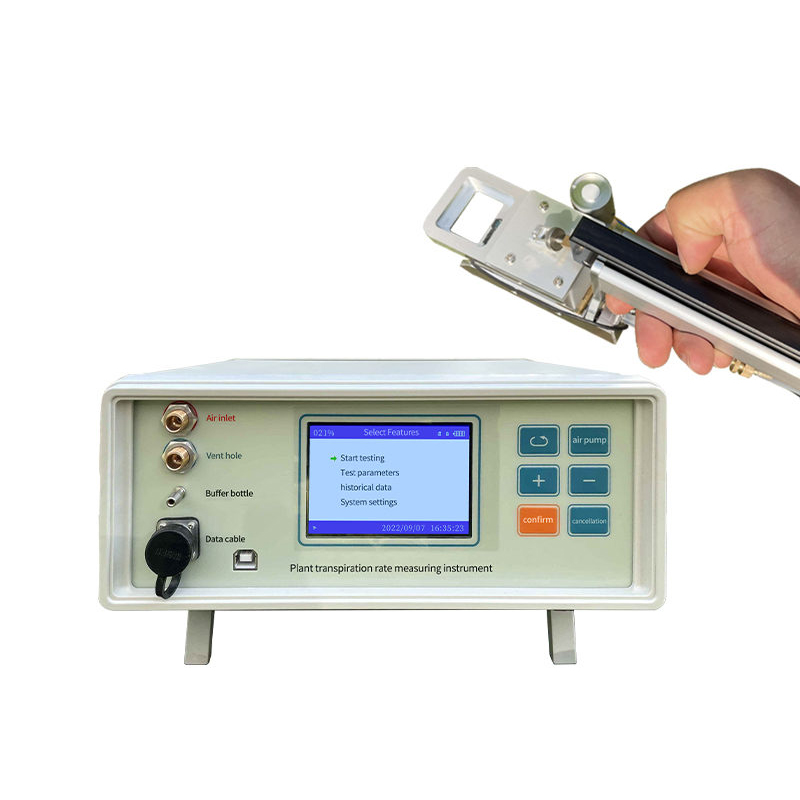

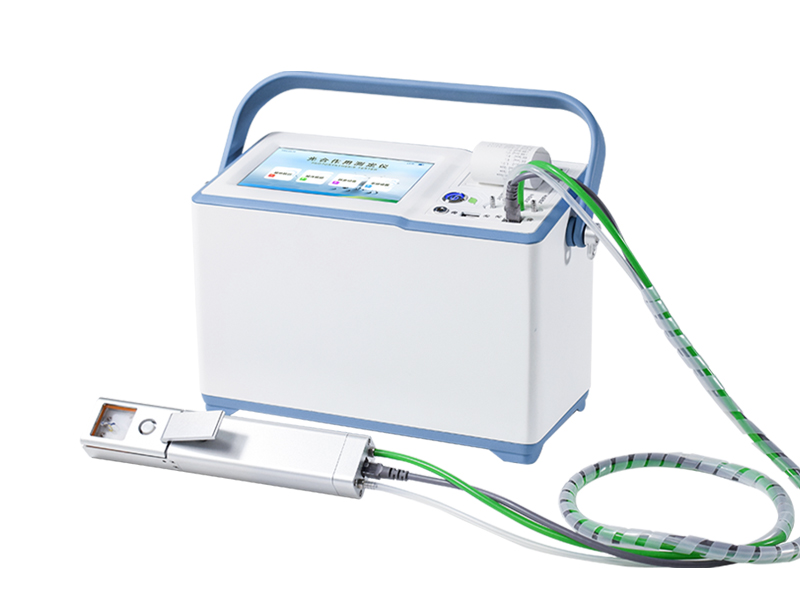
Photosynthesis is the core process of energy conversion in plants, and its rate directly determines the biomass of crops and the carbon sequestration capacity of ecosystems. Traditional photosynthetic measurements rely on in vitro biochemical analysis or simple gas exchange devices, which have problems such as sample destruction, poor timeliness, and single parameters. The modern photosynthesis analyzer has completely revolutionized the paradigm of plant physiology research through in vivo, non-destructive, and multi parameter synchronous measurement technology.
Core principle: From gas exchange to electron transfer
The basic principle of the photosynthesis analyzer is based on the dual mechanism of gas exchange kinetics and chlorophyll fluorescence response. At the gas exchange level, the instrument uses a high-precision infrared CO ₂ analyzer to detect real-time changes in the concentration of CO ₂ flowing through the leaf chamber. Combined with data from temperature and humidity sensors, photosynthetically active radiation (PAR) sensors, and leaf temperature probes, key physiological indicators are calculated according to the following formula:
At the level of photosystem response, chlorophyll fluorescence probes can capture parameters such as electron transfer efficiency (Φ PSII) and non photochemical quenching (NPQ) of PSII reaction centers, revealing the mechanisms of light energy allocation and stress response. The integration of dual technologies enables the photosynthesis analyzer to both quantify carbon assimilation efficiency and analyze energy conversion pathways.
Technological breakthroughs: precision, intelligence, and high-throughput
The core advantages of modern photosynthesis analyzers are reflected in three aspects:
1、Revolution in Measurement Accuracy
Using a temperature compensated dual wavelength infrared CO ₂ analyzer (accuracy ± 3ppm), combined with a Heraeus temperature sensor (± 0.2 ℃) and a Swiss humidity sensor (error ≤ 1% RH), to achieve synchronized and accurate collection of environmental physiological parameters. Open circuit and closed circuit dual-mode design, supporting different experimental scenario requirements.
2、Upgrade to intelligent operation
The Chinese tree menu system replaces the traditional English abbreviation interface, and the three-level operation logic (main function → submodule → parameter item) significantly reduces the threshold for use
Dynamic cursor guidance technology provides real-time prompts for operation steps, such as "holding the blade to avoid leaf veins" and "closing the air chamber to wait for air pressure balance"
The four-dimensional screen display interface synchronously displays Pn/Tr/Gs values, environmental parameter curves, blade temperature dashboard, and operation instructions
3、High throughput adaptation capability
The multi-channel model can simultaneously connect 4-8 leaf chambers, support canopy scale group photosynthesis monitoring, and improve data collection efficiency by 300%. Combining GPS positioning with 4G/Wi Fi transmission to achieve spatiotemporal data correlation analysis.
Application scenarios: From gene screening to ecosystem management
1、Crop breeding and stress resistance research
In the experiment of Fusarium infection in soybean, it was found through MultispeQ analyzer that the linear electron transfer (LEF) value of the susceptible variety Samer-5 increased sharply by 20.8 nm, while the resistant variety Maple Ridge remained stable, providing physiological markers for screening disease resistant genes. Under drought stress, the multi-channel canopy photosynthesis analyzer can synchronously analyze the photosynthetic attenuation gradient of different leaf positions (flag leaf/second leaf), guiding the breeding of drought tolerant varieties.
2、Precision Agriculture Management
Develop irrigation fertilization linkage strategies based on the dynamic relationship between photosynthetic rate and water use efficiency (WUE):
Initiate infusion when Pn>20 μ mol/m ²/s and WUE<3 μ mol/mmol
Adjust stomatal conductance regulator spray when Gs<0.1 mol/m ²/s
3、Ecological Restoration and Carbon Sequestration AssessmentMulti channel models are used for long-term monitoring of forest canopy photosynthetic rate, constructing a Light Energy Utilization Efficiency (LUE) model, and quantifying the carbon sequestration capacity of different tree species. The data shows that the average daily LUE of broad-leaved forests in summer is 0.032 gC/MJ, significantly higher than the 0.019 gC/MJ of coniferous forests.
Cracking industry pain points: from operational barriers to data value conversion
Despite continuous technological advancements, the industry still faces four major challenges and corresponding solutions:
1、Timeliness deviation
The photosynthetic rate fluctuates the least between 9:30-11:30, and traditional instruments only measure 10-15 samples per day. Multi channel parallel measurement improves efficiency to 40 samples per hour, ensuring data comparability.
2、Adversity data distortion
High temperature/high humidity environment causes sensor drift. The dual temperature control module and anti condensation gas path design ensure that the equipment maintains accuracy within the range of -20 ℃~60 ℃ and humidity 0-99% RH.
3、Difficulty in data integration
The Shandong Hengmei HM-GH3 model is equipped with 16GB of memory and cloud platform, which automatically generates a structured database based on "project plot date". It supports Pn Tr light response curve overlay analysis and one click export of SCI paper chart format.
4、High equipment costs
Reduce maintenance costs through modular design. For example, the Hengmei HM-GH comes standard with a basic leaf chamber (55 × 20mm), a breathing chamber, and a group assimilation box that can be selected as needed, reducing the procurement cost of small and medium-sized institutions by 40%.
Hengmei Technology: A Chinese Solution for Photosynthetic Physiology Research
Shandong Hengmei Electronic Technology Co., Ltd. has been deeply involved in the field of plant physiological monitoring for more than ten years, and has launched the HM-GH series photosynthesis analyzer, which integrates the triple advantages of "precise measurement intelligent interaction ecological adaptation":
Core upgrade: using ARM Cortex-A7 processor and temperature controlled dual wavelength CO ₂ analysis module to ensure a resolution of 0.1ppm level
Zhihui Cloud Platform: Wireless direct transmission of detection data to cloud platform, supporting trend warning of photosynthetic efficiency and generation of optimization suggestions for agricultural measures
Against the backdrop of agricultural green transformation and precise carbon sequestration assessment, the Hengmei Photosynthesis Analyzer has served 23 provincial agricultural science institutes, 8 major ecological observation stations, and 47 university laboratories, assisting in the decoding of photosynthesis from genes to ecosystems.
Article address:http://www.plantinstrument.com/news/34.html