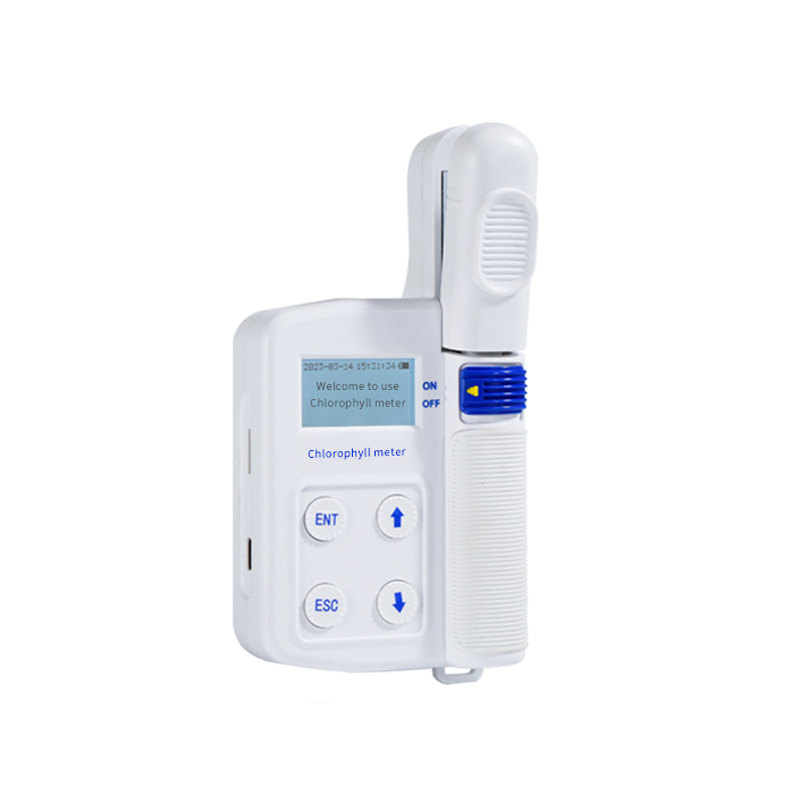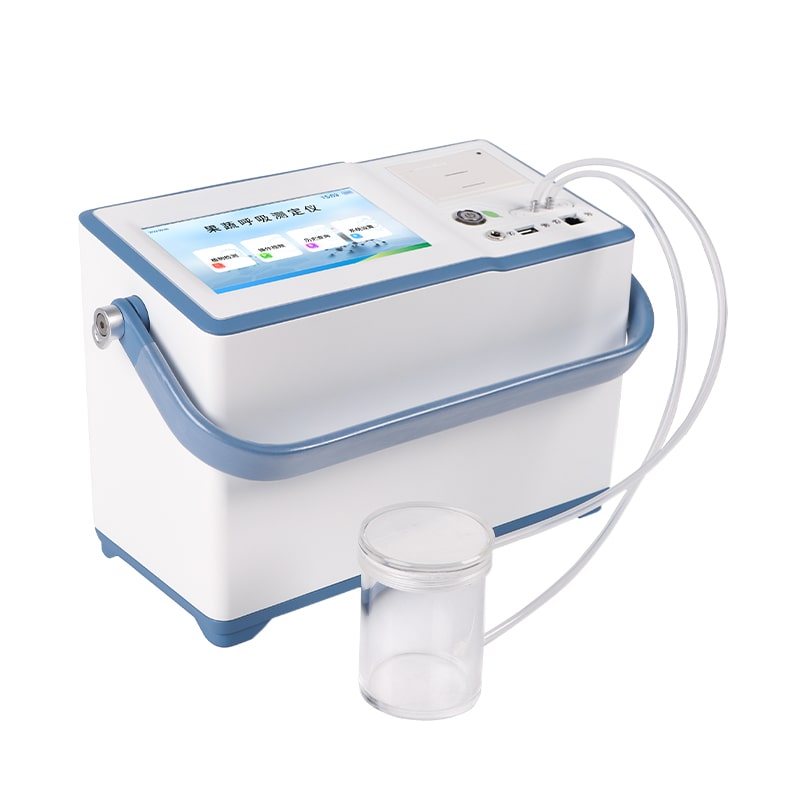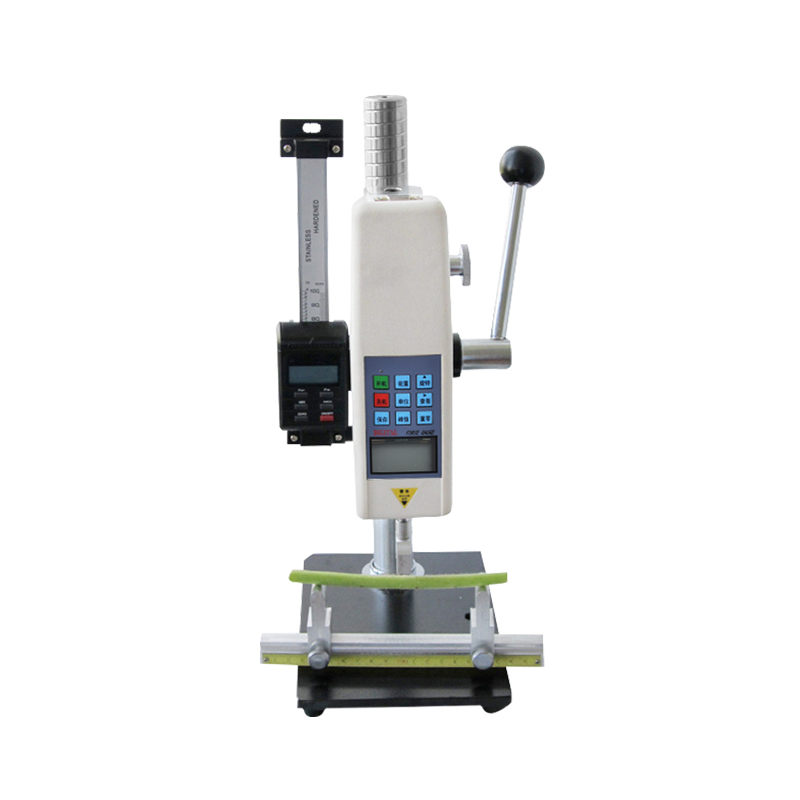

Photosynthesis in plants is the energy engine of life on Earth - converting light energy into chemical energy through chloroplasts, not only providing nutrients for their own growth, but also supporting the material cycle of the entire ecosystem. For agricultural research and production, accurately grasping the dynamics of photosynthesis is a key breakthrough in optimizing crop varieties, improving planting efficiency, and responding to environmental stress. In this "decoding" journey, photosynthesis is playing an irreplaceable role.
The core value of photosynthesis: a leap from "experience planting" to "data-driven"
In traditional agricultural production, farmers often rely on experience to judge crop growth, but it is difficult to accurately quantify the true state of photosynthesis. For example, greenhouse growers may notice yellowing of tomato leaves, but cannot quickly determine whether it is due to insufficient light, low CO ₂ concentration, or water stress; Breeding experts want to screen high-efficiency varieties, but lack real-time and multi-dimensional physiological data support.
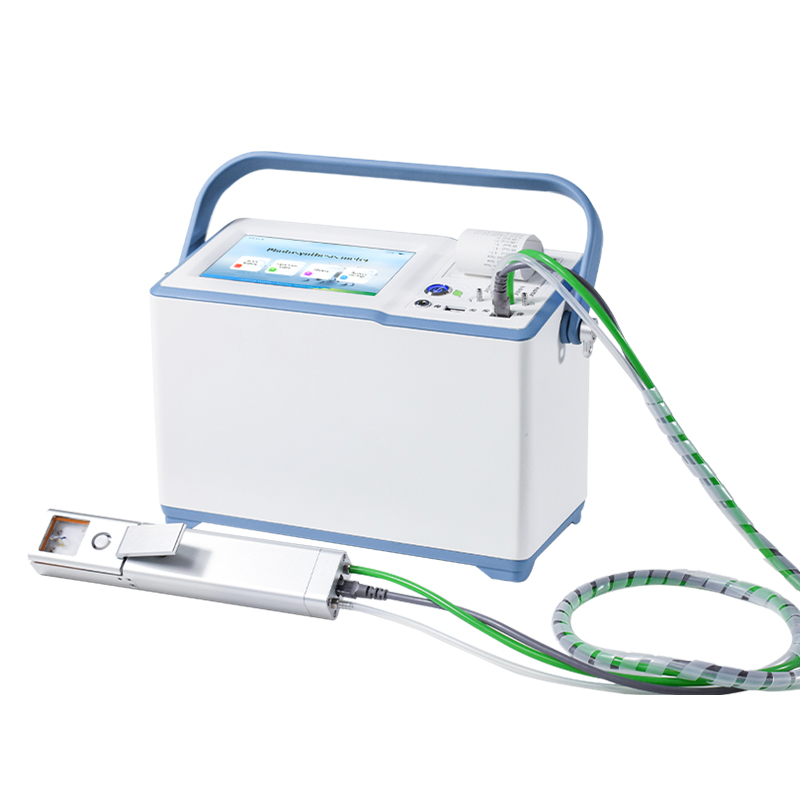
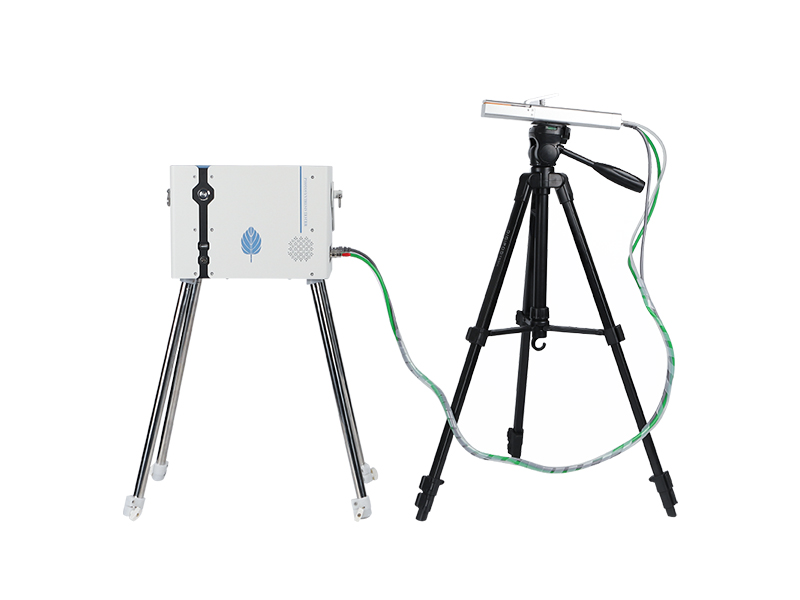
The emergence of photosynthetic apparatus completely changed this situation. It integrates multiple sensors (such as infrared CO ₂ analyzer, temperature and humidity probe, photosynthetically active radiation sensor, etc.) to measure 15 core parameters in real-time, including photosynthetic rate (Pn), stomatal conductance (Gs), and intercellular CO ₂ concentration (Ci), without damaging the leaves. It transforms the "invisible" photosynthetic process into visual data. These data can not only reveal the physiological status of crops in different environments, but also provide quantitative basis for scientific research, helping to transition from "experience planting" to "data-driven".
Technical core: Why can GH3 photosynthesis instrument become the industry benchmark?
To achieve precise measurement, the technical threshold of the photosynthetic apparatus is much higher than that of ordinary detection instruments. Taking the GH3 photosynthesis instrument developed by Shandong Hengmei Electronic Technology Co., Ltd. as an example, its core technological advantages are reflected in the following aspects:
High stability: The anti-interference "data guardian" photosynthesis is easily affected by temperature and pressure fluctuations, and traditional instruments often experience fluctuations in CO ₂ concentration data due to environmental changes. GH3 adopts a dual wavelength infrared CO ₂ analyzer, combined with temperature regulation and atmospheric pressure measurement units, which can automatically calibrate the influence of environmental parameter changes on CO ₂ concentration. Even in complex environments such as large temperature differences between day and night in the field and low atmospheric pressure on the plateau, data fluctuations can still be controlled within a very small range, ensuring the reliability of the results.
Multifunctionality: One stop solution for multi-dimensional needs. Traditional photosynthesis meters can only measure a single indicator (such as Pn or Gs), while GH3 can synchronously measure core parameters such as photosynthetic rate, transpiration rate, intercellular CO ₂ concentration, stomatal conductance, water use efficiency (WUE), and collect environmental data such as air temperature and humidity, leaf temperature, and photosynthetically active radiation (PAR). This means that researchers can obtain complete "photosynthesis environment" correlation information in one measurement without changing instruments, greatly improving experimental efficiency.
Intelligence and convenience: Make the operation "foolproof", using the "lightweight" GH3 with Android operating system, equipped with a 10 inch high-sensitivity touch screen, the interface is intuitive and easy to understand. Users can customize experimental notes and view dynamic graphs such as Pn and Tr curves in real-time; After the measurement is completed, the data supports WiFi wireless upload, USB disk copying, and can also be synchronized to the cloud platform for long-term storage and analysis. It is worth mentioning that its mainframe weighs only 2.5kg and comes with a carrying case and adjustable bracket, allowing a single person to complete multi scenario flow testing in fields, greenhouses, and other environments, completely bidding farewell to the traditional mode of "bulky instruments+multi person collaboration".
Long battery life and data extension: When the "mobile laboratory" for field research is fully charged, GH3 can work continuously for 10-12 hours, meeting the needs of all-weather field experiments; The cloud platform function breaks the data "island", allowing users to view historical data at any time through their mobile phones or computers, generate contrast curves of different colors, and even share analysis results with the team, truly achieving "seamless connection of data from the field to the laboratory".
Application scenario: Full chain coverage from laboratory to field
The value of photosynthesis ultimately lies in its ability to solve practical problems. At present, its application has penetrated into multiple fields such as agricultural research, planting management, teaching and training:
Research breakthrough: In the study of crop stress resistance physiology, researchers used GH3 to monitor the changes in photosynthetic parameters of rice under drought and high temperature stress. They found that the decrease in stomatal conductance (Gs) was the main cause of the decrease in photosynthetic rate, and proposed a regulation strategy of "staged water replenishment"; In the field of breeding, drought tolerant and high-yielding varieties can be quickly screened by comparing the water use efficiency (WUE) of different corn varieties.
Planting management: A vegetable greenhouse grower in Shandong Province was once puzzled by low tomato yields for many years. After using GH3 measurement, it was found that the concentration of CO ₂ in the greenhouse during the day was often below 300ppm (normally 800-1000ppm). By adding a CO ₂ generator and real-time monitoring with a photosynthesis analyzer, tomato yield increased by 25% and pesticide usage decreased by 15%.
Teaching Practice: In the course of plant physiology in universities, students use GH3 to personally measure the photosynthetic curve of spinach under different light intensities, and intuitively understand abstract concepts such as "light compensation point" and "light saturation point". The efficiency of combining theory with practice is significantly improved.
Industry pain points and the breakthrough path of HM-GH3
At present, there are still three major pain points in the photosynthesis market: firstly, some instruments are complex to operate and require professional maintenance, which limits the use of small and medium-sized farmers and teaching scenarios; Secondly, the data is single and cannot be correlated with environmental parameters, making it difficult to uncover the underlying causes of photosynthetic changes; Thirdly, the battery life is short and inconvenient to carry, and field experiments are often interrupted due to power outages or bulky equipment.
The HM-GH3 photosynthesis analyzer addresses these issues by reducing operational barriers through intelligent design, achieving "data link" analysis through multi parameter synchronous measurement, and covering the entire scene through long battery life and portable design. It is precisely this R&D logic of "starting from user needs" that makes it a "versatile assistant" in agricultural research and production.
Conclusion: Choose HM-GH3 photosynthesis analyzer to let each leaf speak
Under the strategic background of "storing grain in technology", accurately grasping the physiological status of crops has become the core competitiveness of modern agriculture. As a benchmark product in the field of photosynthesis in China, the GH3 photosynthesis instrument from Shandong Hengmei Electronic Technology Co., Ltd. has redefined the standards for plant physiological testing with high stability, multifunctionality, and intelligent design. Whether it's a laboratory in a research institute or a planting shed in the field, GH3 can reveal the "code" of photosynthesis for you, helping every planting decision to be more scientific and efficient.
Choose the HM-GH3 photosynthesis analyzer to make every leaf a "talking data" and make every step of modern agriculture more stable and farther.
Article address:http://www.plantinstrument.com/news/40.html