

Leaves are the main organs for photosynthesis and transpiration in plants, and the size of leaf area directly affects the light energy utilization efficiency, water metabolism, and nutrient absorption capacity of plants. Leaf area analyzer, as a specialized device for measuring leaf area and related parameters, plays an irreplaceable role in fields such as agriculture, forestry, and botany research.
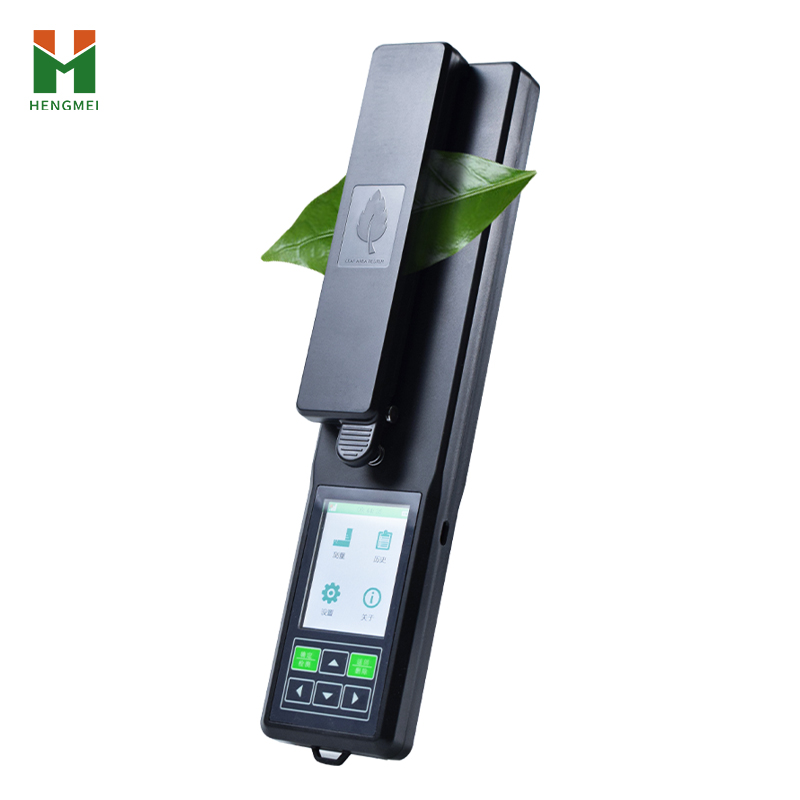
Technical advantages of leaf area analyzer:
1. Portable and practical design
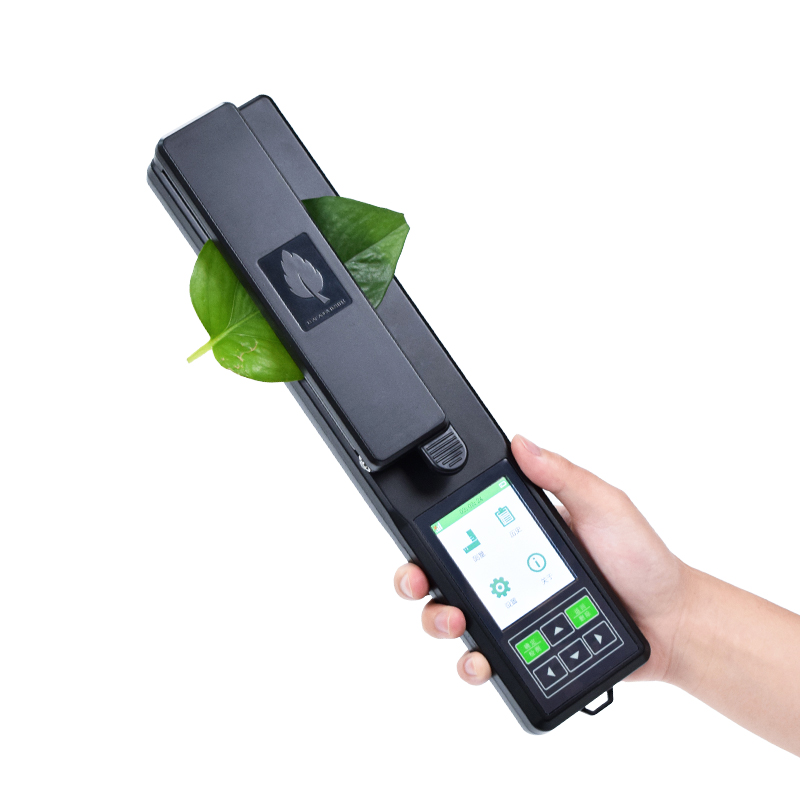
Integrated design of host and probe, easy to operate, no need for complex assembly. High performance large capacity battery power supply, no need for external power supply, suitable for field measurement, low voltage display function ensures uninterrupted measurement process, and can sustainably meet the needs of field work.
2. Efficient measurement capability
Leaves are the main organs for photosynthesis and transpiration in plants, and the size of leaf area directly affects the light energy utilization efficiency, water metabolism, and nutrient absorption capacity of plants. Leaf area analyzer, as a specialized device for measuring leaf area and related parameters, plays an irreplaceable role in fields such as agriculture, forestry, and botany research. This article analyzes the importance, principles, technical advantages, and application value of leaf area meters from the perspective of users, providing practical references for practitioners.
The importance of leaf area analyzer:
Leaf area is one of the core indicators reflecting the growth status of plants. In crop cultivation, leaf area size is closely related to yield, and a reasonable leaf area index can improve light energy utilization efficiency and promote crop yield increase; In plant breeding, leaf area and its dynamic changes are important criteria for selecting excellent varieties; In ecological research, leaf area can be used to evaluate vegetation productivity and community structure.
The leaf area meter provides quantitative data for plant growth regulation, variety improvement, and ecological assessment by accurately measuring parameters such as leaf area, leaf length, and leaf width. For farmers, planting density and fertilization plans can be adjusted based on leaf area data; For researchers, the ability to conduct in-depth research on the relationship between leaf area and plant physiological functions; For forestry managers, it helps to develop scientific forest management strategies.
The working principle of leaf area analyzer:
Based on image recognition and photoelectric sensing technology, a leaf area meter is designed with an integrated host and probe. During measurement, the blade is placed in the detection area, and the light emitted by the probe illuminates the blade, blocking some of the light. The contour image of the blade is captured by a photoelectric sensor.
The microcomputer analyzes and processes images, and calculates the area, length, and width of the blades according to preset algorithms. The built-in calibration module can calibrate according to different environmental conditions to ensure measurement accuracy. At the same time, the instrument stores the measurement data in its internal memory and can transmit the data to the computer for further analysis through a communication interface.
Application areas of leaf area analyzer:
1. Agricultural production
In the cultivation of crops such as wheat, corn, and rice, the optimal irrigation and fertilization period can be determined by measuring the dynamic changes in leaf area, optimizing population structure, and increasing crop yield. For example, in cotton cultivation, adjusting the topping time based on leaf area data can promote the development of cotton bolls.
2. Plant breeding
In the process of crop and flower breeding, measuring the leaf area and growth dynamics of different varieties, selecting excellent varieties with suitable leaf area size and high light energy utilization efficiency, and accelerating the breeding process.
3. Forestry research
Used to measure the area and growth status of tree leaves, evaluate the growth potential and health status of trees, and provide a basis for forest resource investigation and forest management measures. In seedling cultivation, the quality of seedlings is determined by measuring leaf area.
4. Ecological monitoring
In ecosystems such as grasslands and wetlands, measuring plant leaf area, analyzing vegetation coverage and productivity, and evaluating the health status and restoration capacity of the ecosystem.
Leaf area analyzer, with its portable, practical, efficient and accurate characteristics, has become an important tool for quantifying plant growth status. It solves the problems of tedious, inefficient, and inaccurate traditional leaf area measurement methods, providing reliable data support for agricultural production, plant research, and ecological monitoring.
Article address:http://www.plantinstrument.com/news/52.html