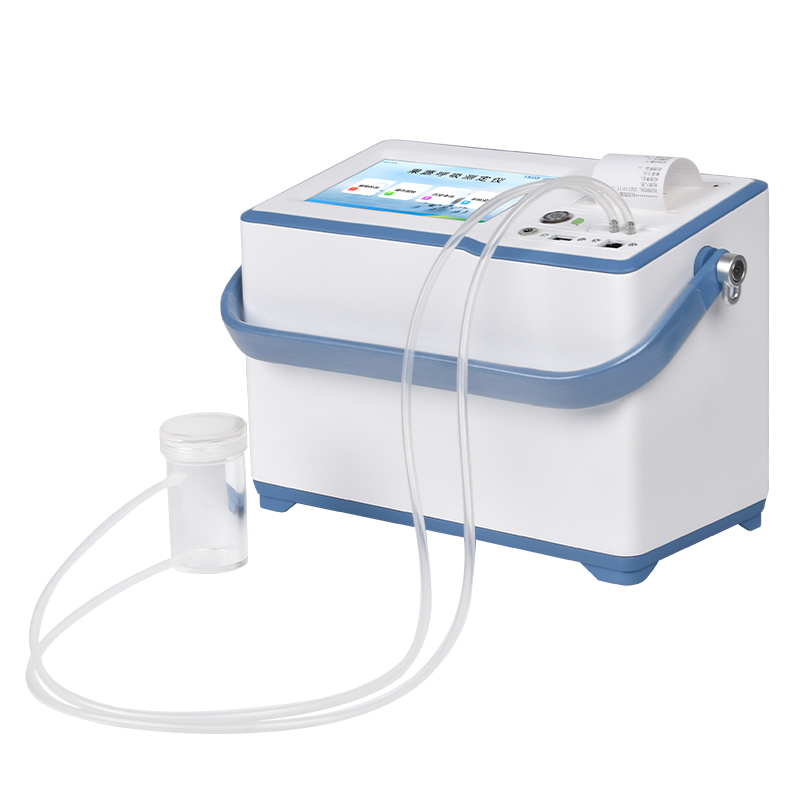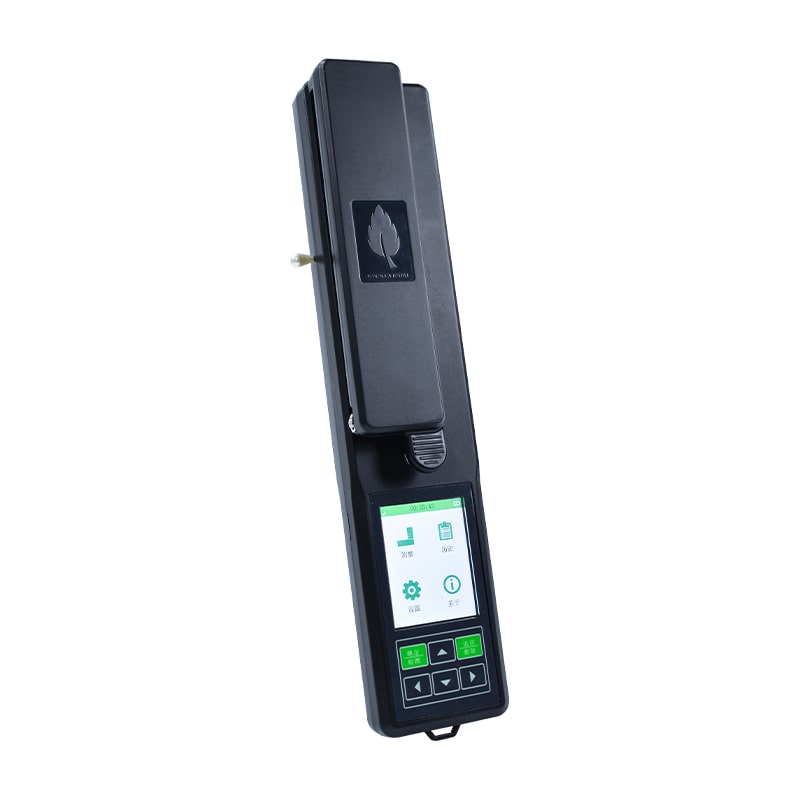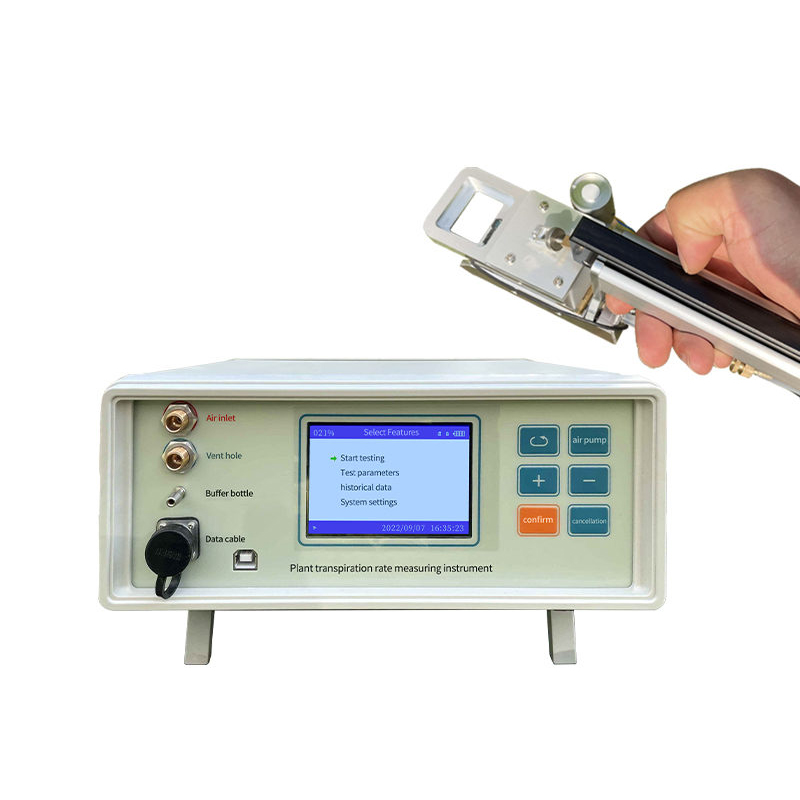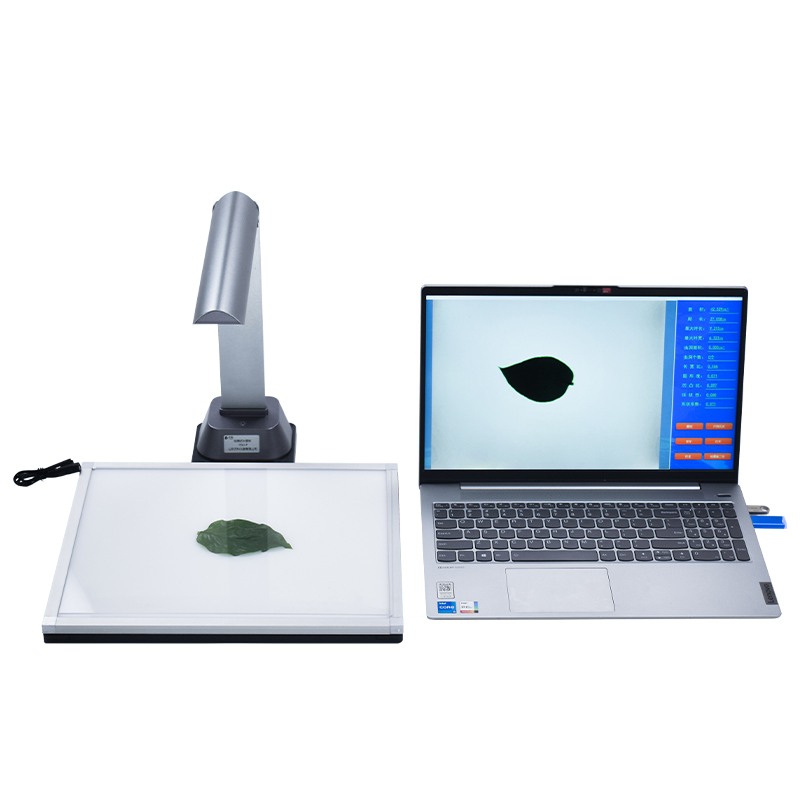

The plant nutrition detector integrates spectral analysis technology and intelligent algorithms to achieve rapid detection of multiple nutrient elements in live crops and dry plants, providing scientific basis for precision fertilization and agricultural management. This article will delve into the technical principles, advantages, and application value of the instrument.
Technical principles
The core technology of plant nutrition analyzer is based on the combination of multi wavelength spectral analysis and chemical colorimetric method:
1. Spectral detection module
Adopting a four wavelength cold light source (red light 680nm, blue light 420nm, green light 510nm, orange light 590nm), a silicon semiconductor signal receiving system with a lifespan of 100000 hours ensures detection stability.
High precision filter technology (patent number: ZL 2018 2 1777724.7) with a 1cm standard colorimetric dish, accurate optical path positioning, linear error ≤ 0.1%.
2. Chemical analysis process
After reacting with specific reagents, the absorbance is measured by colorimetric method to calculate nutrient concentrations (such as available nitrogen, phosphorus, potassium, and trace elements).
3. Intelligent data parsing
Built in crop expert fertilization system, recommending fertilizer application based on target yield; Equipped with nutritional diagnostic standard maps, supporting comparison of leaf abundance and deficiency.
Technical advantages
Compared with traditional laboratory methods, plant nutrition detectors have the following prominent advantages:
1. Efficient multi-channel detection
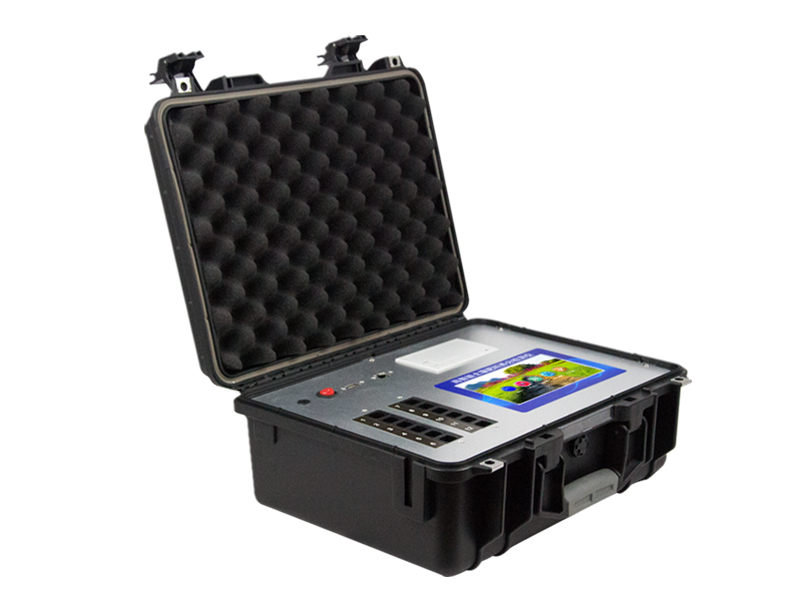
Double row 12 channel design, processing 12 samples at once, significantly improving detection speed (single sample NPK ≤ 40 minutes, 3 samples ≤ 1 hour).
2. High precision and stability
The repeatability error is ≤ 0.05%, the one hour drift is<0.3%, and the sensitivity reaches 4.5 × 10 ⁻⁵ for red light, meeting the agricultural testing standards.
3. Integration of intelligent functions
Android intelligent system, 7-inch capacitive touch screen operation, supports WiFi/4G data wireless upload, built-in thermal printer automatically generates reports.
4. Comprehensive analysis of multiple elements
Covering nitrogen, phosphorus, potassium, trace elements (calcium, magnesium, sulfur, etc.) and heavy metals (lead, chromium, cadmium, etc.), supporting soil and fertilizer expansion testing.
5. Portability and durability
Design of PVC engineering plastic carrying case (net weight 5.1kg), with AC/DC dual-use power supply (220V or 12V DC), suitable for field operations.
Application Fields
Plant nutrition detectors are widely used in the following scenarios:
Agricultural research and education: crop nutrition and physiology research, teaching demonstrations (such as agricultural experiments in universities).
Agricultural production guidance: Quickly diagnose nutrient abundance and deficiency in the field, and develop fertilization plans (if potassium element is regulated in the garden).
Agricultural material services and supervision: fertilizer quality testing, nutrient monitoring of planting bases (such as heavy metal screening in organic farms).
Environmental monitoring: assessment of heavy metal pollution in soil plant systems (such as cadmium rice risk warning).
The plant nutrition detector has solved the bottleneck of traditional detection methods in terms of timeliness, portability, and cost through technological innovation. Its multi-element analysis, intelligent recommendation, and field applicability make it a key tool for modern smart agriculture.
Article address:http://www.plantinstrument.com/news/65.html