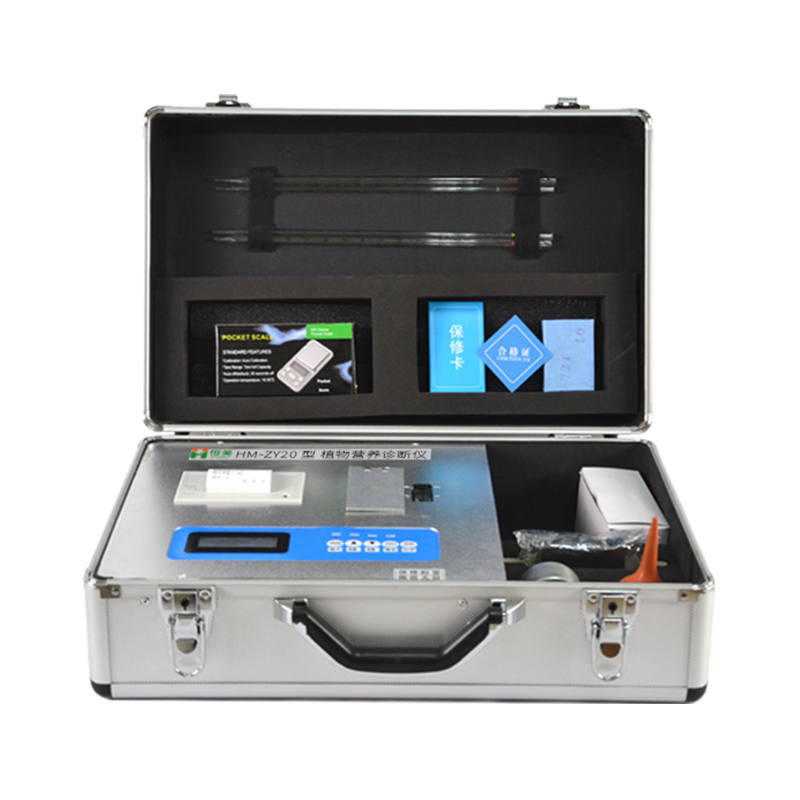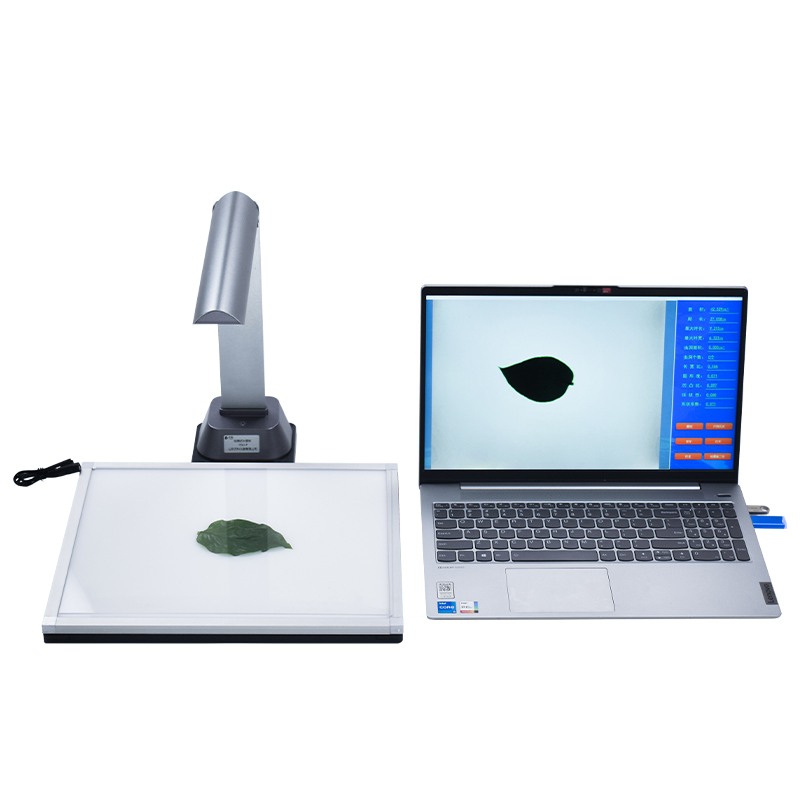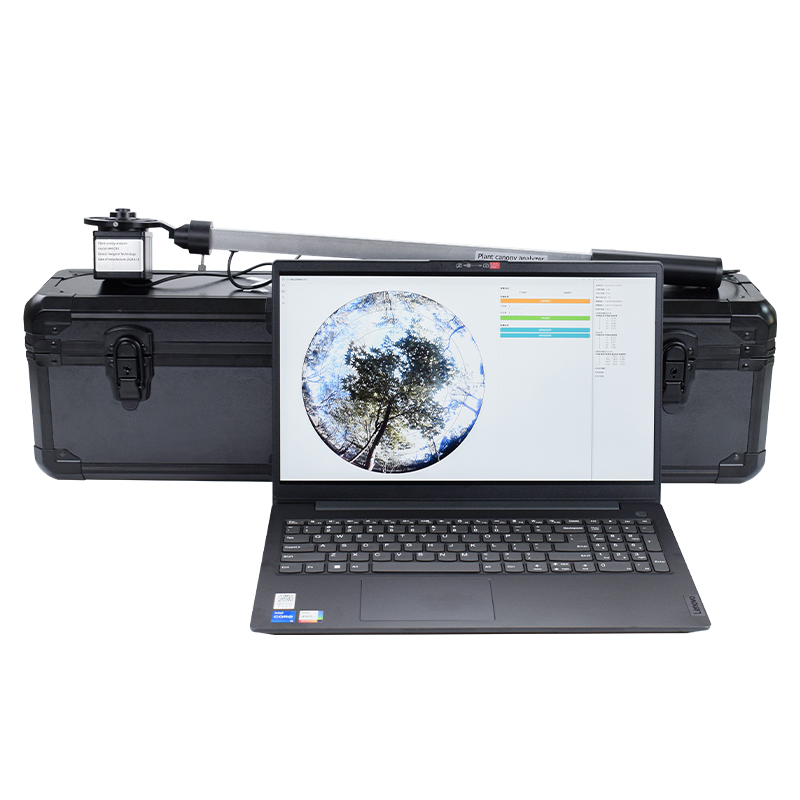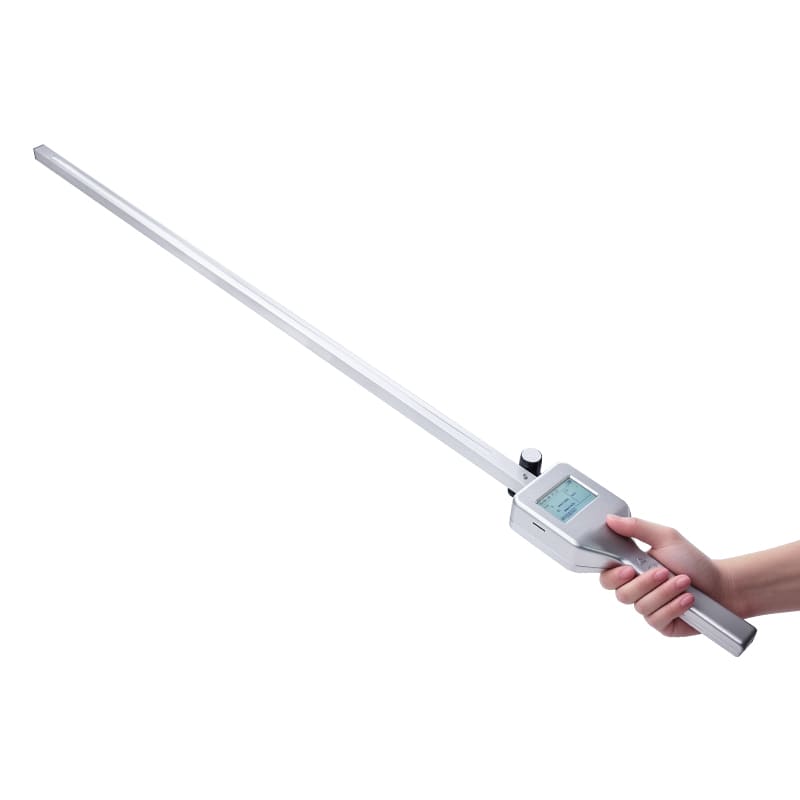

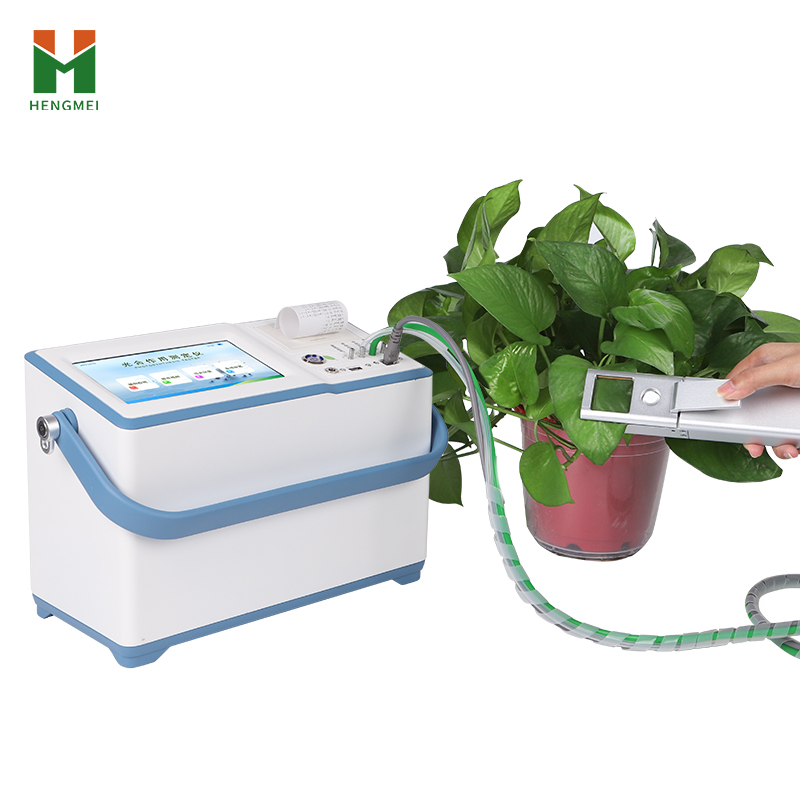
Photosynthesis is the core of energy flow and material cycling in Earth's ecosystem, and its efficiency directly affects crop yield, ecological balance, and carbon sequestration capacity. As a professional device for quantifying this process, the photosynthesis meter accurately captures the dynamics of plant photosynthetic physiology, providing critical data for agricultural optimization and ecological research.
I. Importance of Photosynthesis Meters
Photosynthesis is the process by which plants convert light energy into chemical energy. Indicators such as photosynthetic rate and transpiration rate directly reflect plant growth vitality and environmental adaptability. In agriculture, these data serve as the scientific basis for variety improvement and cultivation optimization. For example, high light-efficiency crop varieties can increase yield by more than 20%. In ecological research, they are core parameters for assessing vegetation productivity and carbon sequestration potential. In plant stress physiology research, they reveal the impact mechanisms of stressors such as drought and high temperature on the photosynthetic system.
II. Technical Advantages of Photosynthesis Meters
Intelligent Operating System
Equipped with an Android operating system and a 10-inch high-sensitivity touchscreen, the device displays measurement processes in real time, ensuring efficient and intuitive human-machine interaction. Users can customize experiment notes and complete data labeling without complex programming, making it particularly suitable for rapid field operations. Compared to traditional button-operated devices, efficiency is improved by over 40%.
High-Stability Detection System
A dual-wavelength infrared CO₂ analyzer, combined with temperature and pressure adjustment units, achieves a CO₂ detection accuracy of ±1ppm, effectively avoiding value fluctuations caused by temperature changes. During long-term continuous monitoring, the data coefficient of variation is ≤2%, meeting research-grade precision requirements.
Multi-Parameter Synchronous Acquisition
It can simultaneously measure over 10 parameters, such as photosynthetic rate and transpiration rate, without the need for multiple module changes. For example, when studying crop drought resistance, the correlation between stomatal conductance and water use efficiency can be analyzed synchronously, eliminating the need for repeated measurements.
Professional Data Analysis Function
Multiple sets of data can generate color contrast curve charts (e.g., Pn curves, light-photosynthesis curves) after experiments, visually presenting indicator change patterns. Researchers can directly judge the response characteristics of the photosynthetic system based on curve morphology without exporting data for secondary processing, significantly shortening the analysis cycle.
III. Application Fields of Photosynthesis Meters
Agricultural Breeding and Cultivation
In crop breeding, it screens high light-efficiency varieties—for example, by comparing the light-photosynthesis curves of different wheat varieties to select materials that maintain high photosynthetic rates under low light conditions. In cultivation management, it guides precision irrigation, such as determining the optimal watering time based on the relationship between tomato transpiration rate and soil moisture.
Forest Ecological Research
It measures the photosynthetic rates of different forest stands to assess ecosystem primary productivity. For example, in studies on Cunninghamia lanceolata plantations, monitoring the photosynthetic characteristics of trees of different ages helps optimize harvesting cycles and enhance carbon sequestration capacity.
Plant Stress Physiology
It simulates stress environments such as drought and salinity, monitoring changes in photosynthetic parameters. For instance, studying the photosynthetic response of maize under high temperatures reveals that decreased stomatal conductance is the main cause of reduced photosynthetic rate, providing targets for breeding stress-resistant varieties.
Conclusion
With its intelligent design and high-precision detection, the photosynthesis meter bridges the gap between plant physiological research and practical applications. It not only addresses the issues of cumbersome operation, fragmented data, and poor stability of traditional devices but also promotes photosynthetic research from single-parameter measurement to systematic mechanism analysis through its multi-parameter synchronous analysis capabilities.
Article address:http://www.plantinstrument.com/news/42.html