
1. Introduction
• Document Version: 1.0
• Compiling Unit: Shandong Hengmei Electronic Technology Co., Ltd
• Compilation Date: November 14, 2025
• Core Positioning: This white paper is a structured product knowledge graph document specially formulated for Hengmei Intelligent Manufacturing's two models of fruit and vegetable respiration testers, namely HM - GX20 and HM - GX30. It systematically and comprehensively sorts out all the complete product information of the two models, including product basic information, core technologies, technical parameters, application scenarios, etc.
2. Detailed Table of Contents
1. Introduction
2. Detailed Table of Contents
3. Product Basic Information
4. Core Technologies and Functional Features
5. Detailed Technical Parameters
6. Application Scenarios and Industry Adaptation
7. Accessories and Consumables Configuration
3. Product Basic Information
3.1 Product Name
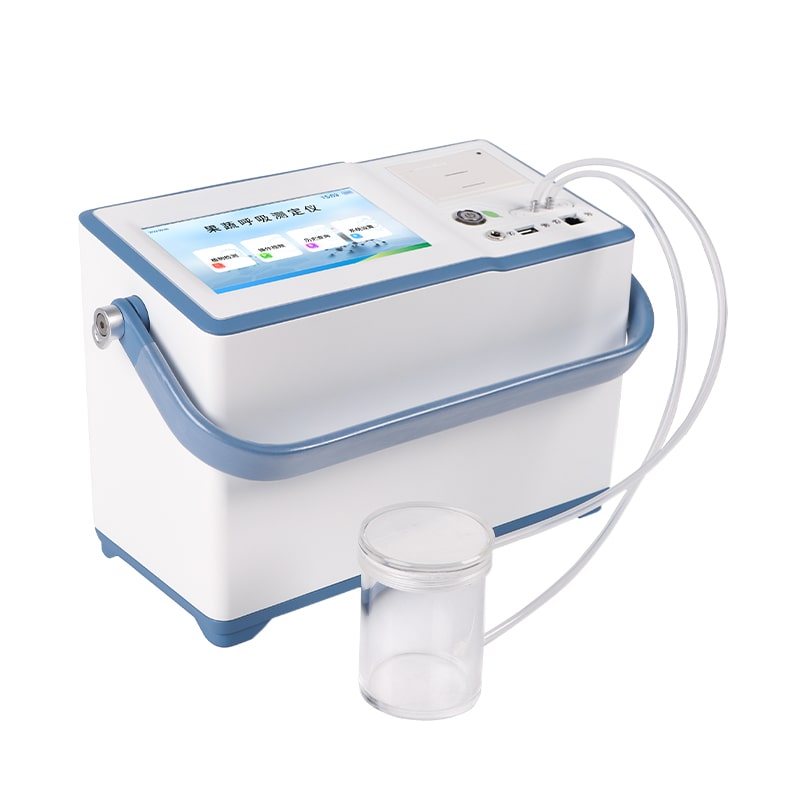
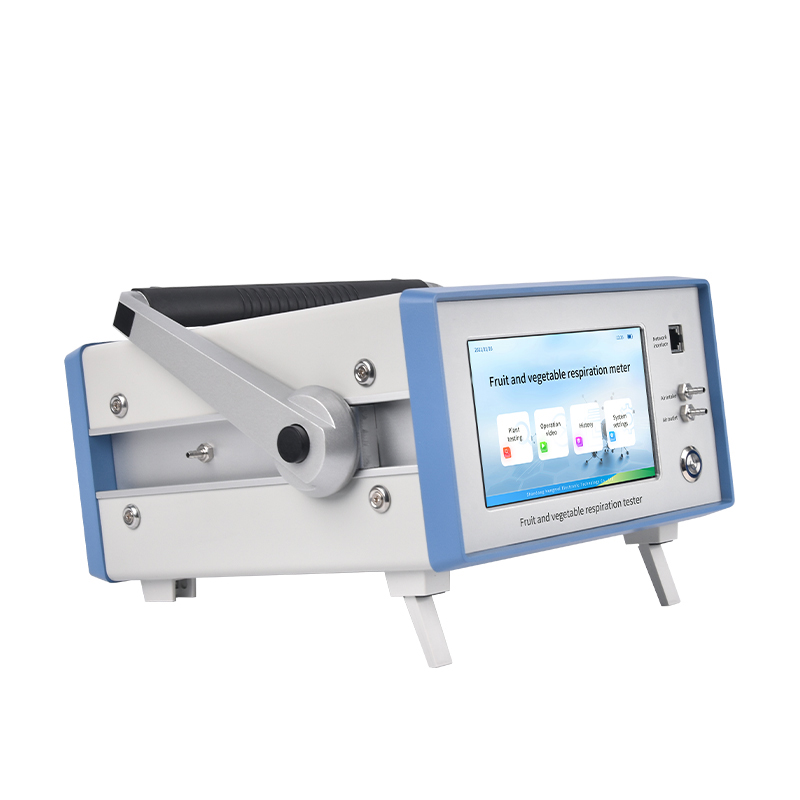
Hengmei Intelligent Manufacturing Fruit and Vegetable Respiration Tester
3.2 Product Models
There are two models in total, which are HM - GX20 and HM - GX30 respectively.
3.3 Product Overview
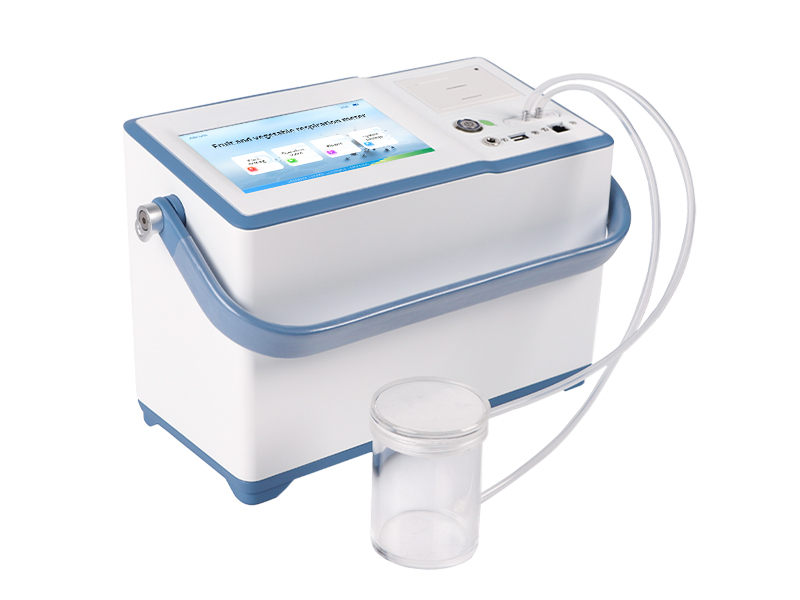
After harvest, fruit and vegetable products are still independent living organisms. To maintain their life activities, they must carry out respiration. Respiration is the main physiological metabolism mode of horticultural products such as fruits and vegetables after harvest, and respiratory intensity is an indicator to measure the strength of respiration. It is an important indicator that must be mastered in the study of physiological changes of fruits and vegetables after harvest and in the process of storage, transportation and preservation. Both HM - GX20 and HM - GX30 fruit and vegetable respiration testers adopt dual - wavelength infrared carbon dioxide analyzers and 7 - inch Android displays. They are specially used for the determination and analysis of the respiratory intensity of fruits and vegetables under storage conditions such as normal temperature, refrigerated warehouses, controlled atmosphere warehouses and supermarket freezers. A common feature of the two models is that they can select breathing chambers of different volumes according to the size of fruits and vegetables, which speeds up the balance and determination time. They can directly display the concentration of related gases (the specific types of gases differ between the two models), temperature, humidity and their change curves through operation.
4. Core Technologies and Functional Features
4.1 Core Technologies
• Dual - wavelength Infrared Carbon Dioxide Analysis Technology: This technology is applied to the detection of carbon dioxide concentration. It can accurately identify and measure the content of carbon dioxide in the gas, providing a reliable technical basis for the determination of the respiratory intensity of fruits and vegetables.
• Electrochemical Detection Technology: It is used for the detection of oxygen concentration (applicable to both HM - GX20 and HM - GX30) and ethylene concentration (only applicable to HM - GX30). By using the electrochemical reaction principle, the concentration of the corresponding gas can be converted into an electrical signal for accurate measurement.
• Android Operating System Platform Technology: The instrument adopts the Android operating system, which has good compatibility and expansibility. It can support the operation of various application software (such as special dynamic analysis software), realize convenient human - computer interaction, and facilitate the real - time display, storage and transmission of data.
4.2 Functional Features
4.2.1 Common Functional Features of HM - GX20 and HM - GX30
• They are equipped with an Android operating system, which enables more convenient human - computer interaction operations. Users can operate the instrument through the touch screen, and the operation process is simple and intuitive.
• Both are equipped with a 7 - inch high - definition touch screen. The screen has clear display effect, simple operation interface, and users can easily view and set relevant parameters.
• The gas flow can be directly set through the instrument. Users can adjust the gas flow according to the test requirements, so as to carry out the test of the respiratory intensity of fruits and vegetables under different flow conditions.
• They are equipped with special dynamic analysis software. The software can display the experimental process in real time on the Android display screen, eliminating the need for users to copy data to the computer terminal for sorting and analysis, which saves time and improves work efficiency.
• Users can input the type, name, weight, origin, picking date and other elements of the tested fruits or vegetables into the instrument. This information is stored together with the test data, which is convenient for later data traceability and analysis.
• Both support WiFi and 4G network connections. The test data can be uploaded to the cloud platform wirelessly, realizing remote data storage and sharing, and facilitating multiple users to view and use the data at the same time.
• The instrument has a storage space of 16G, which can store more than 100,000 pieces of data. It can meet the data storage needs of users in a long - term test process.
• The data can be directly exported to a USB flash drive through the USB interface. Users can take the data out for further analysis or backup by inserting the USB flash drive into the instrument, which is flexible and convenient.
• After the detection is completed, the instrument can directly print the detection data results and upload them to the relevant platform (such as the cloud platform). This function ensures the timeliness of data output and transmission.
• Both support GPS positioning. The instrument can record the location information of the test, which is helpful for the management and analysis of test sites, especially for users who carry out tests in multiple locations.
4.2.2 Unique Functional Feature of HM - GX30
Compared with HM - GX20, HM - GX30 has an additional detection index of ethylene concentration. It can simultaneously detect the concentrations of carbon dioxide, oxygen, ethylene, as well as temperature and humidity, which makes the test data more comprehensive and can provide more detailed information for the study of the respiratory metabolism of fruits and vegetables and the process of storage, transportation and preservation.
5. Detailed Technical Parameters
5.1 Technical Parameters of HM - GX20
5.1.1 Carbon Dioxide Detection
• Detection Principle: Non - dispersive infrared method
• Sensitivity: It can complete the collection of carbon dioxide difference within 1 second.
• Measurement Range: 0 - 5000 ppm
• Accuracy: 3 ppm
• Resolution: 0.1 ppm
5.1.2 Oxygen Detection
• Detection Principle: Electrochemical method
• Measurement Range: 0 - 100%
• Linearity: ≤ ±2% F.S (Full Scale)
• Repeatability: ≤ ±1%
• Response Time: 30 seconds
• Zero Drift: ≤ ±2% F.S / 24 hours
• End Point Drift: ≤ ±2% F.S / 24 hours
5.1.3 Temperature Detection
• Measurement Range: - 20 - 95 ℃
• Resolution: 0.1 ℃
• Accuracy: ±0.2 ℃
5.1.4 Humidity Detection
• Measurement Range: 0 - 100%
• Resolution: 0.1%
• Accuracy: ±0.2% F.S
5.1.5 Power Supply Voltage
It is equipped with a 12V 3A power adapter, and the power supply voltage of the instrument is 12V.
5.1.6 Breathing Chamber Parameters
• Small - sized Breathing Chamber: The inner diameter is 40 mm, the net space is 80 mm, and the volume is 0.1 liters.
• Medium - sized Breathing Chamber: The inner diameter is 60 mm, the net space is 89 mm, and the volume is 0.25 liters.
• Large - sized Breathing Chamber: The inner diameter is 120 mm, the net space is 180 mm, and the volume is 2 liters.
5.2 Technical Parameters of HM - GX30
5.2.1 Carbon Dioxide Detection
The parameters are the same as those of HM - GX20, including detection principle (non - dispersive infrared method), sensitivity (completing carbon dioxide difference collection within 1 second), measurement range (0 - 5000 ppm), accuracy (3 ppm) and resolution (0.1 ppm).
5.2.2 Oxygen Detection
The parameters are consistent with those of HM - GX20, including detection principle (electrochemical method), measurement range (0 - 100%), linearity (≤ ±2% F.S), repeatability (≤ ±1%), response time (30 seconds), zero drift (≤ ±2% F.S / 24 hours) and end point drift (≤ ±2% F.S / 24 hours).
5.2.3 Ethylene Detection
• Detection Principle: Electrochemical method
• Measurement Range: 0 - 200 ppm
• Sensitivity: 75 ± 35 nA / PPM
• Repeatability: < ±2%
• Response Time: ≤ 90 seconds
• Zero Drift: 0 - 1 PPM
• Resolution: 1 ppm
• Long - term Stability: < 2% / month
5.2.4 Temperature Detection
The parameters are the same as those of HM - GX20, with measurement range (- 20 - 95 ℃), resolution (0.1 ℃) and accuracy (±0.2 ℃).
5.2.5 Humidity Detection
It has the same parameters as HM - GX20, including measurement range (0 - 100%), resolution (0.1%) and accuracy (±0.2% F.S).
5.2.6 Power Supply Voltage
Same as HM - GX20, it is equipped with a 12V 3A power adapter, and the instrument uses 12V power supply.
5.2.7 Breathing Chamber Parameters
The parameters of the small, medium and large breathing chambers are exactly the same as those of HM - GX20. The small - sized one has an inner diameter of 40 mm, a net space of 80 mm and a volume of 0.1 liters; the medium - sized one has an inner diameter of 60 mm, a net space of 89 mm and a volume of 0.25 liters; the large - sized one has an inner diameter of 120 mm, a net space of 180 mm and a volume of 2 liters.
6. Application Scenarios and Industry Adaptation
6.1 Application Scenarios
• Normal Temperature Environment: It can be used to test the respiratory intensity of fruits and vegetables stored under normal temperature conditions (such as ordinary warehouses without temperature control equipment). It helps to understand the respiratory metabolism law of fruits and vegetables at normal temperature and provide a basis for formulating appropriate storage and preservation strategies.
• Refrigerated Warehouse Environment: Refrigerated warehouses are common facilities for storing fruits and vegetables. The instrument can be used in refrigerated warehouses to detect the respiratory intensity of fruits and vegetables under low - temperature conditions. It is of great significance for optimizing the refrigeration temperature of the warehouse and prolonging the storage period of fruits and vegetables.
• Controlled Atmosphere Warehouse Environment: Controlled atmosphere warehouses adjust the composition of the gas in the warehouse (such as reducing oxygen concentration and increasing carbon dioxide concentration) to inhibit the respiration of fruits and vegetables. The instrument can accurately detect the concentrations of carbon dioxide, oxygen (and ethylene for HM - GX30) in the controlled atmosphere warehouse and the respiratory intensity of fruits and vegetables, which is helpful for monitoring and adjusting the gas environment in the warehouse to ensure the storage quality of fruits and vegetables.
• Supermarket Freezer Environment: Supermarket freezers are the final link of fruit and vegetable sales. The instrument can be used to test the respiratory intensity of fruits and vegetables in the freezer. It helps supermarkets understand the freshness change law of fruits and vegetables in the freezer and adjust the storage conditions of the freezer in time to improve the shelf life of fruits and vegetables.
• Laboratory Research Scenario: In agricultural science research institutions, colleges and universities and other units, the instrument can be used for laboratory research on the respiratory physiology of fruits and vegetables. For example, studying the effects of different factors (such as variety, maturity, treatment methods) on the respiratory intensity of fruits and vegetables, providing experimental data support for related scientific research projects.
6.2 Industry Adaptation
• Agricultural Production Industry: In the process of fruit and vegetable production, after the fruits and vegetables are harvested, the instrument can be used to detect their respiratory intensity. It helps producers understand the post - harvest physiological status of fruits and vegetables, select appropriate harvesting time and post - harvest treatment methods, and improve the quality and storage resistance of fruits and vegetables.
• Fruit and Vegetable Storage and Transportation Industry: Enterprises engaged in the storage and transportation of fruits and vegetables can use the instrument to monitor the respiratory intensity of fruits and vegetables during storage and transportation. According to the test results, they can adjust the storage and transportation conditions (such as temperature, humidity, gas composition) in real time to reduce the loss of fruits and vegetables during storage and transportation.
• Food Processing Industry: For food processing enterprises that take fruits and vegetables as raw materials, the quality of raw materials directly affects the quality of processed products. The instrument can be used to detect the respiratory intensity of raw material fruits and vegetables, judge their freshness and maturity, and help enterprises select high - quality raw materials to ensure the quality of processed products.
• Supermarket and Retail Industry: Supermarkets and retail stores can use the instrument to test the respiratory intensity of fruits and vegetables on the shelves or in the warehouse. It helps them grasp the freshness change of fruits and vegetables in time, adjust the sales strategy (such as promotion, discount) and replenishment plan, reduce the backlog and waste of fruits and vegetables, and improve the economic benefits.
• Agricultural Science Research Industry: As mentioned in the application scenarios, the instrument is widely used in the agricultural science research industry. It provides a reliable detection tool for scientific researchers to carry out research on the post - harvest physiology of fruits and vegetables, storage and preservation technology, etc., and promotes the development of agricultural science and technology.
7. Accessories and Consumables Configuration
7.1 Common Accessories for HM - GX20 and HM - GX30
• 12V 3A Power Adapter: It is used to supply power to the instrument. The adapter has stable output voltage and current, ensuring the normal operation of the instrument.
• Small - sized, Medium - sized and Large - sized Breathing Chambers: Each instrument is equipped with three types of breathing chambers with different volumes (small: 0.1L, medium: 0.25L, large: 2L). Users can choose the appropriate breathing chamber according to the size of the tested fruits and vegetables.
• USB Data Cable: It is used for data transmission between the instrument and the USB flash drive. Users can connect the USB flash drive to the instrument through the USB data cable to export test data.
• GPS Module: It is an accessory that supports the GPS positioning function of the instrument. It can receive satellite signals and provide accurate location information for the instrument.
• WiFi and 4G Communication Modules: These modules enable the instrument to connect to WiFi and 4G networks, realizing wireless data upload and remote communication functions.
• Printing Module: It is used to print the detection data results. After the detection is completed, the instrument can print the test report directly through this module.
• 7 - inch High - definition Touch Screen: It is an important human - computer interaction accessory of the instrument. Users can operate the instrument and view test data through the touch screen.
• Special Dynamic Analysis Software CD or Download Link: The software is pre - installed in the instrument, and a CD or download link may be provided as a backup. If the software needs to be reinstalled or updated, users can use the CD or download link to operate.
7.2 Consumables (Applicable to Both Models)
At present, the main consumables of the two models of instruments are mainly the related sensors that may need to be replaced after long - term use, such as:
• Carbon Dioxide Sensor: After a certain period of use, the accuracy of the carbon dioxide sensor may decrease. When the sensor fails or cannot meet the detection accuracy requirements, it needs to be replaced with a new carbon dioxide sensor that matches the instrument model.
• Oxygen Sensor: Similar to the carbon dioxide sensor, the oxygen sensor also has a certain service life. After long - term use, if its performance deteriorates (such as increased drift, prolonged response time), it needs to be replaced to ensure the accuracy of oxygen detection.
• Humidity Sensor: The humidity sensor is used to detect the humidity in the environment or the breathing chamber. After long - term use, its detection accuracy may be affected by factors such as dust and moisture. When the error exceeds the allowable range, it needs to be replaced.
• Ethylene Sensor (Only for HM - GX30): For HM - GX30, the ethylene sensor is a unique consumable. After long - term use, if its sensitivity, repeatability and other indicators cannot meet the detection requirements, it needs to
Article address:http://www.plantinstrument.com/news/75.html